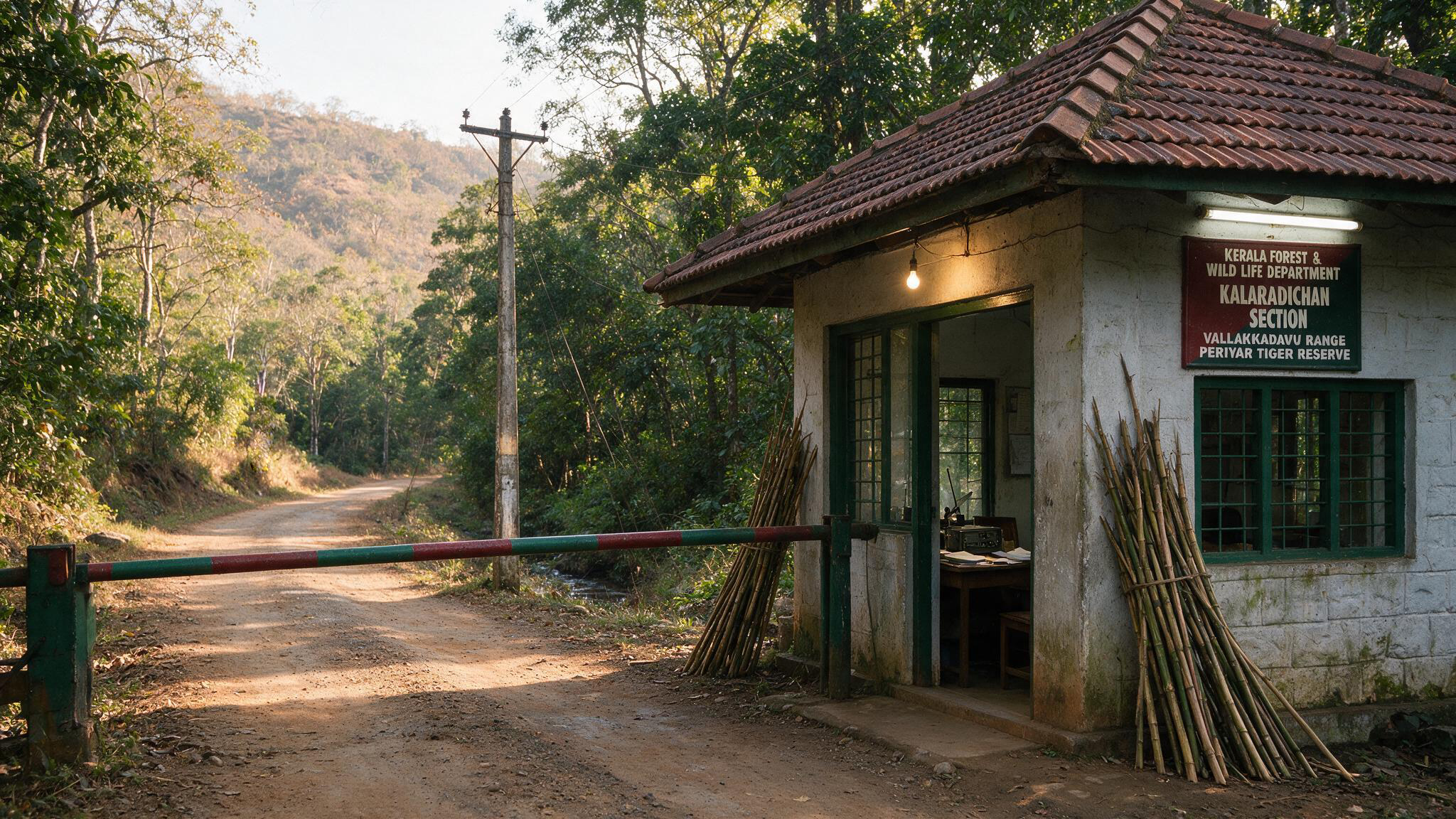
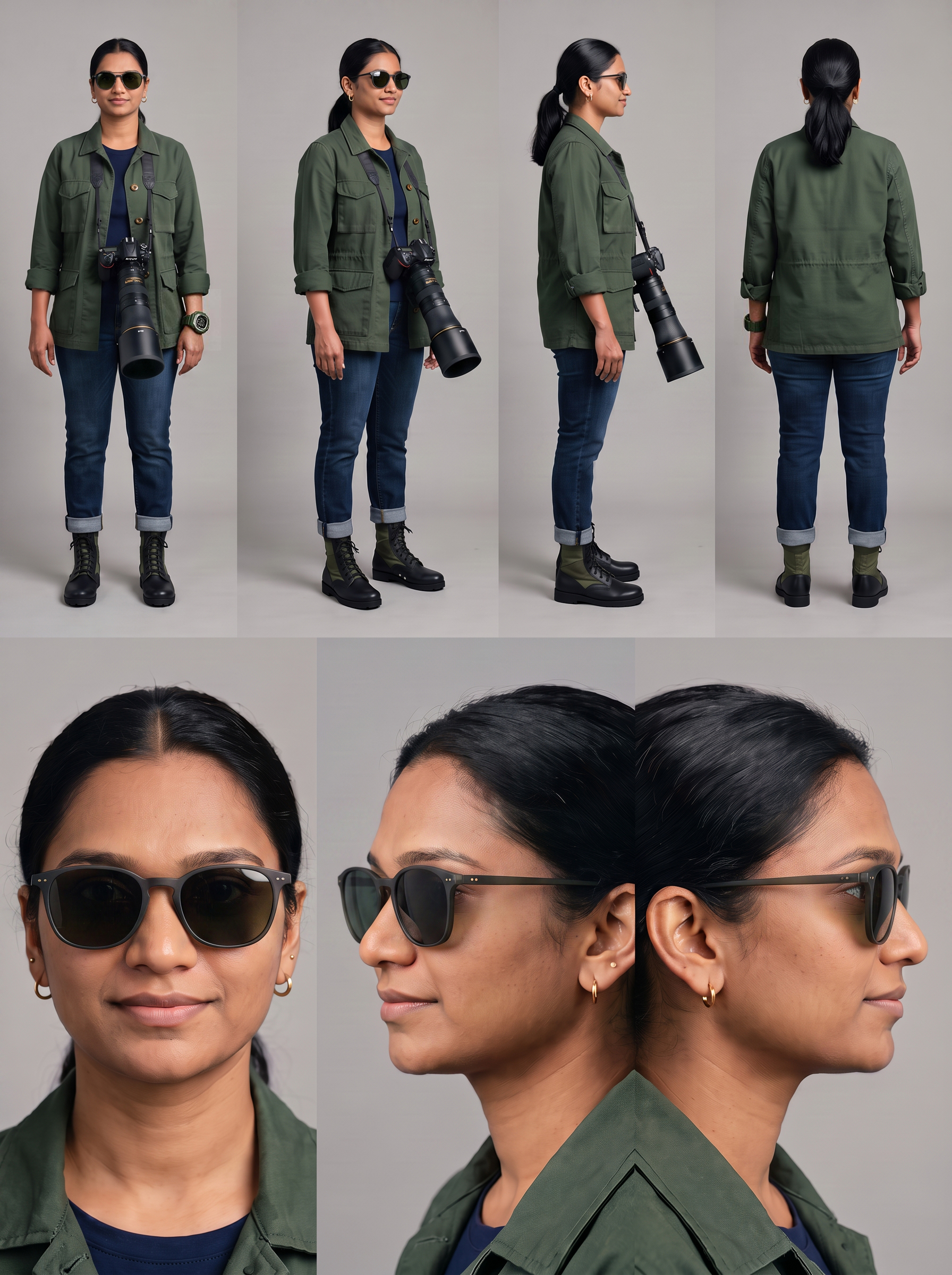
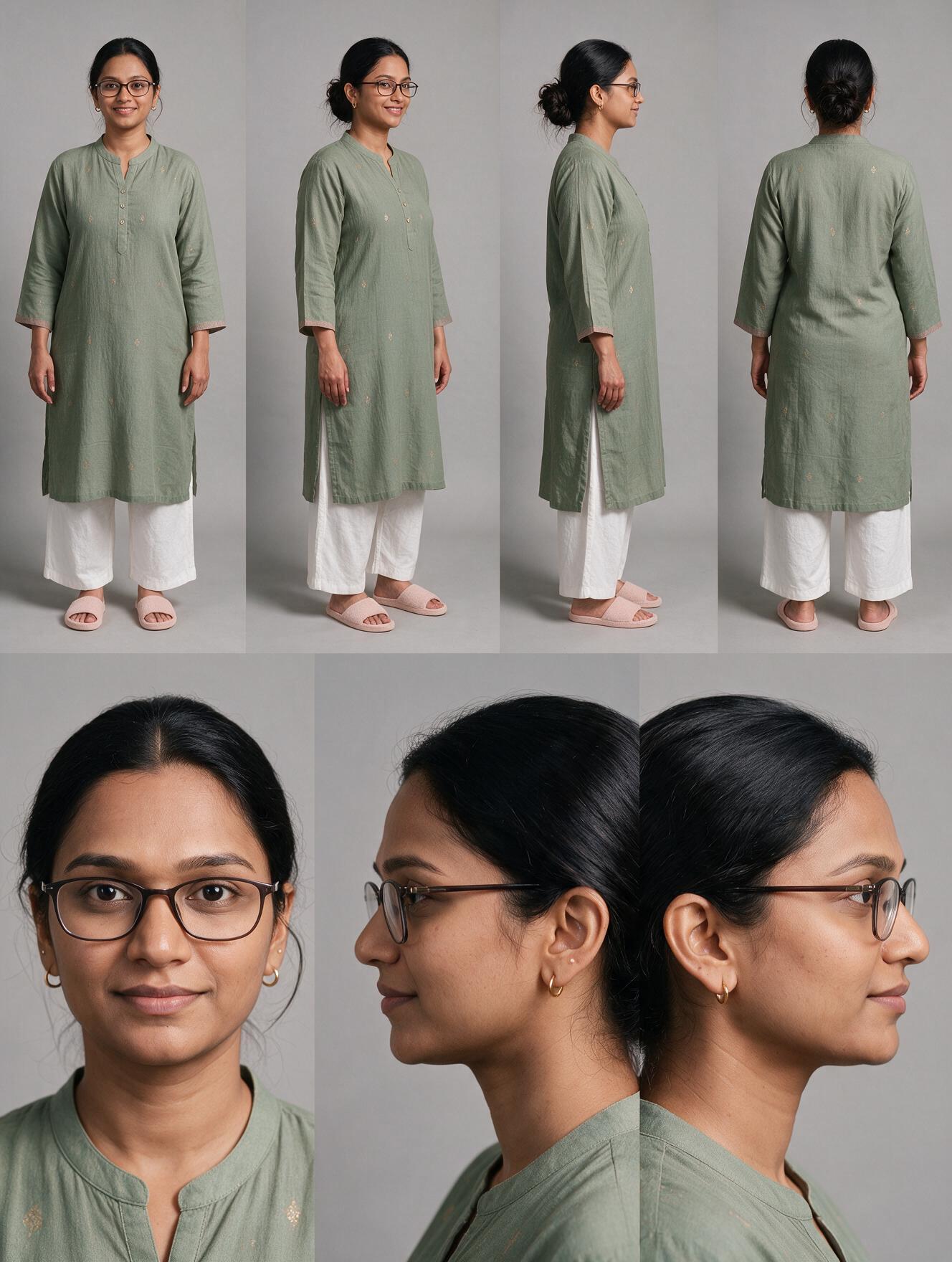
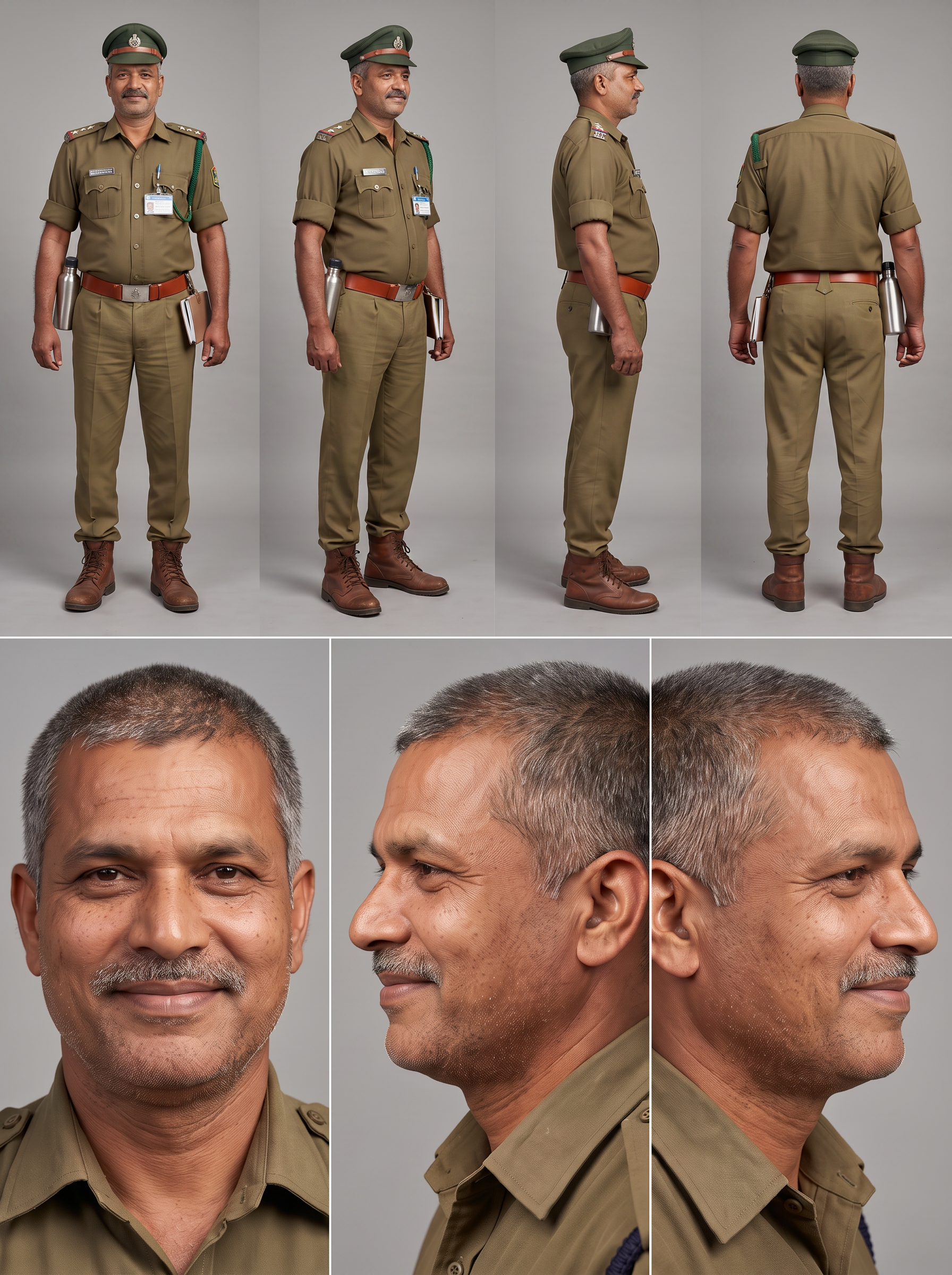
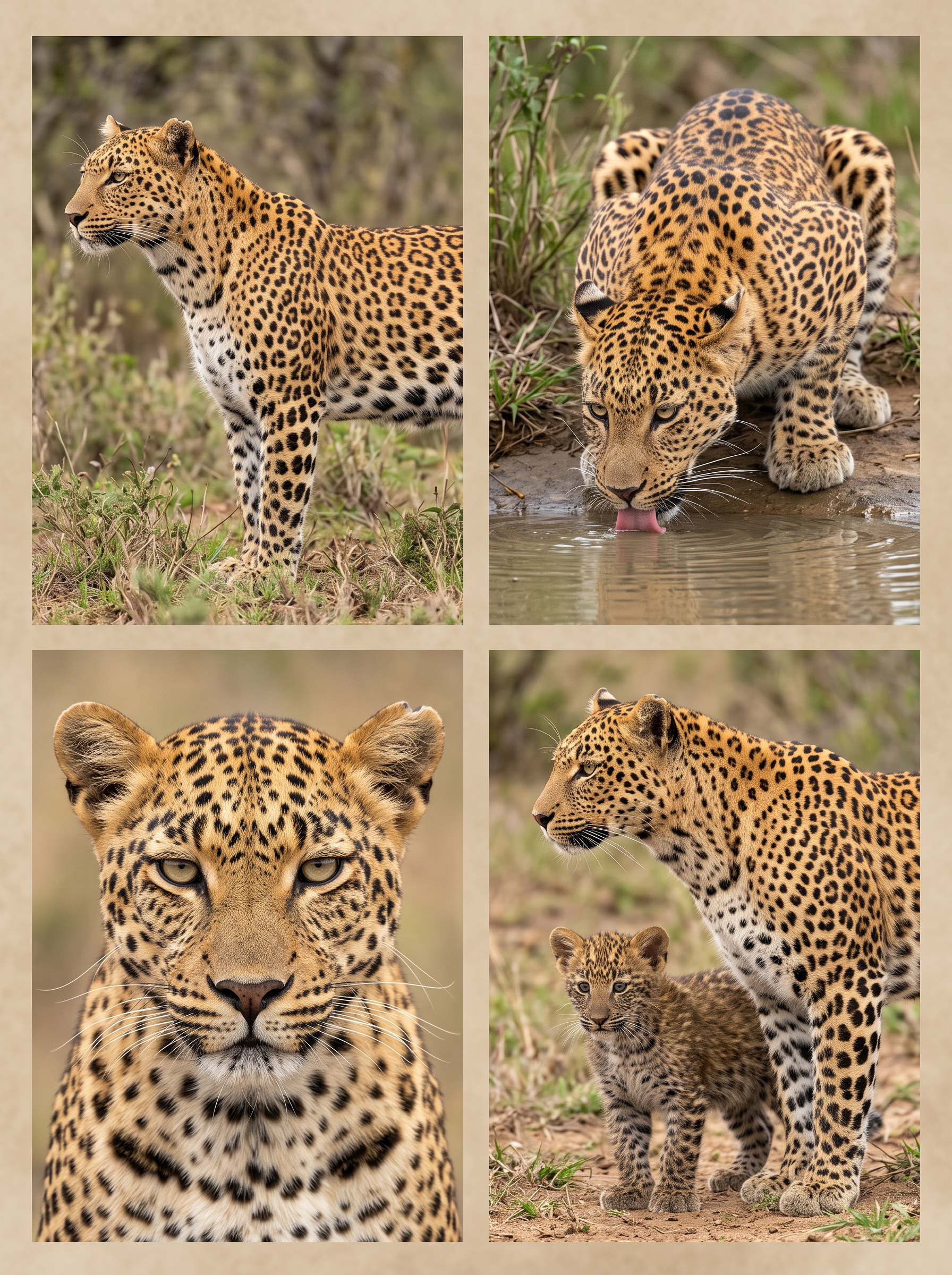

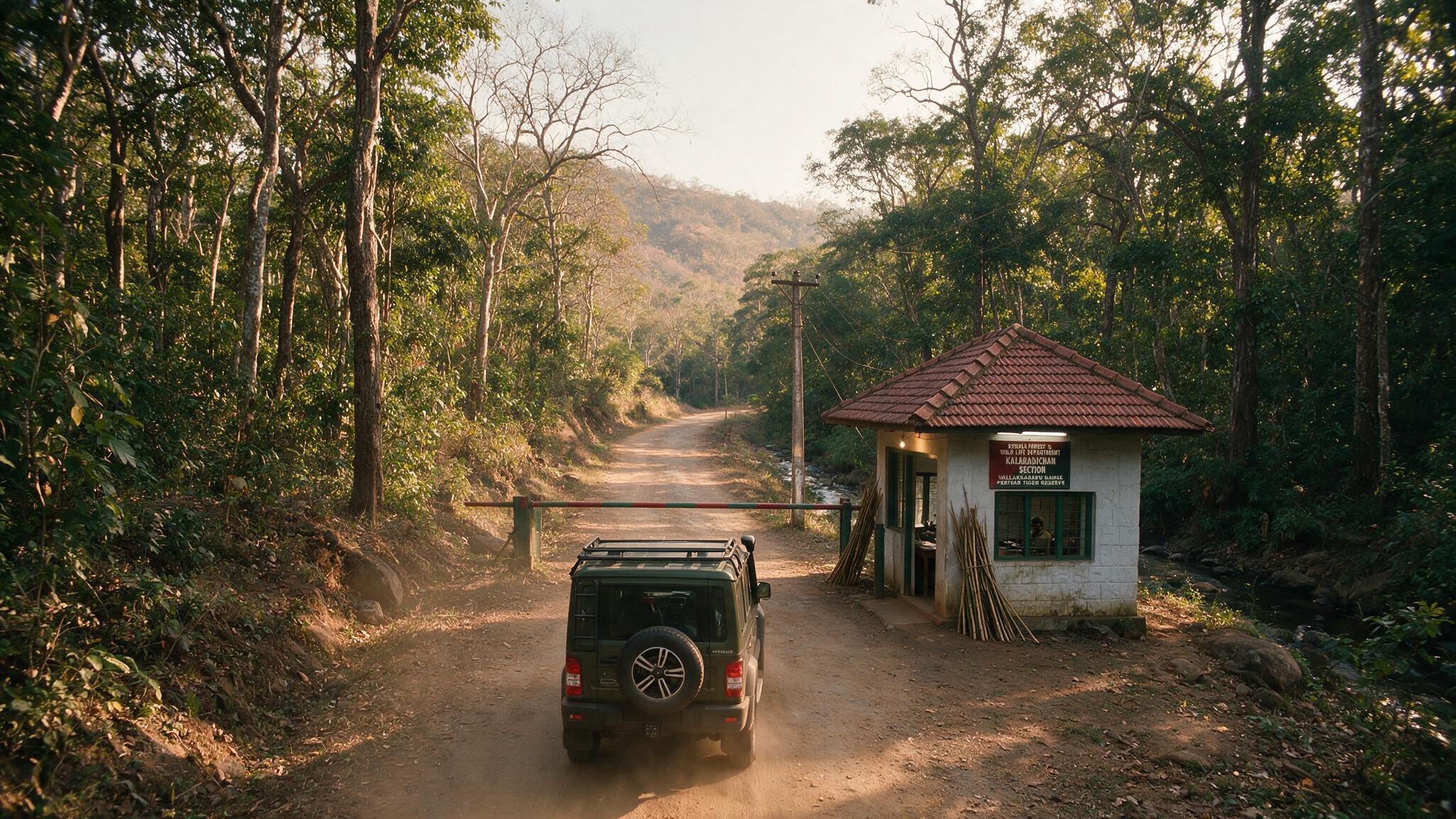
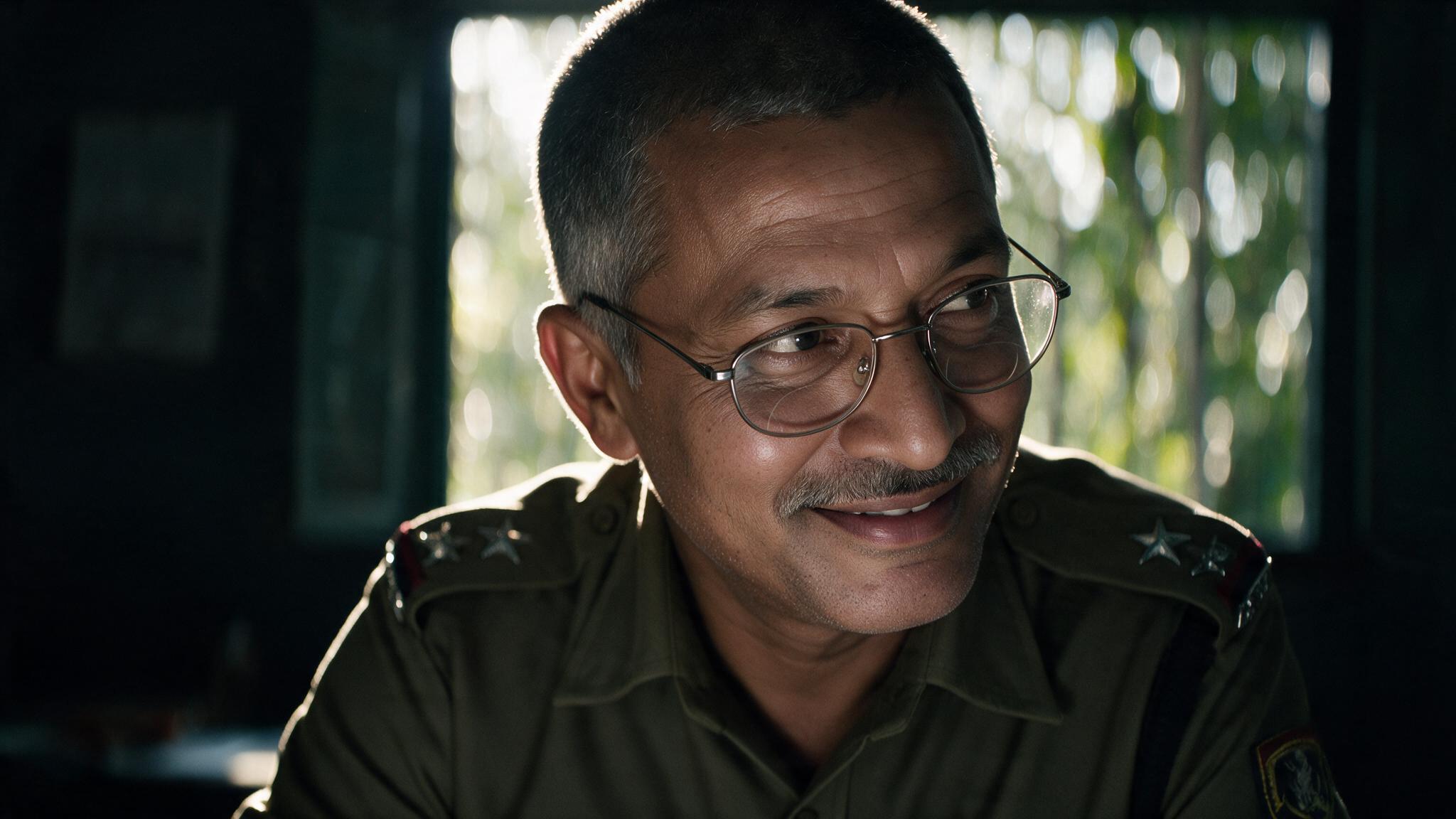
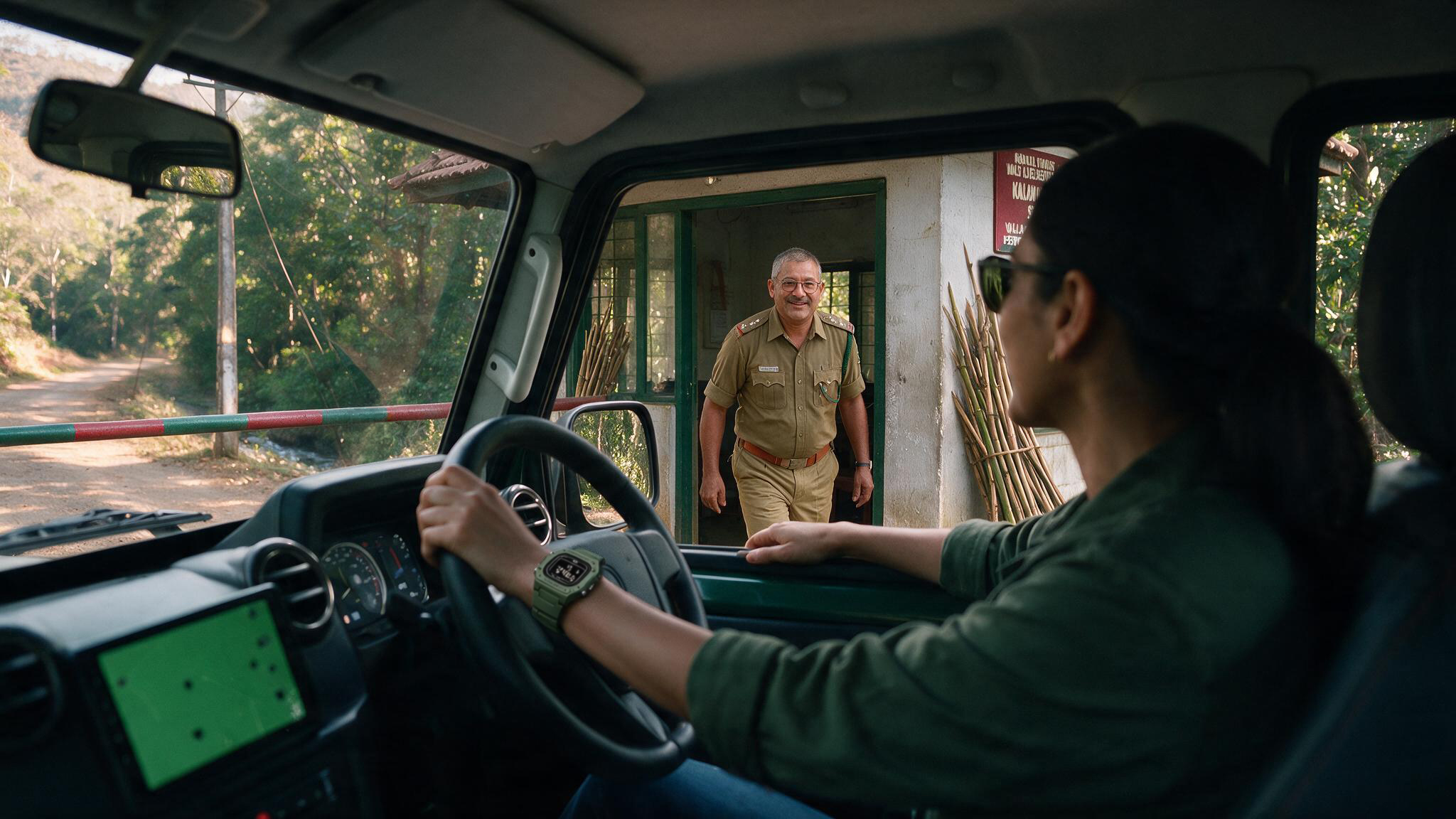
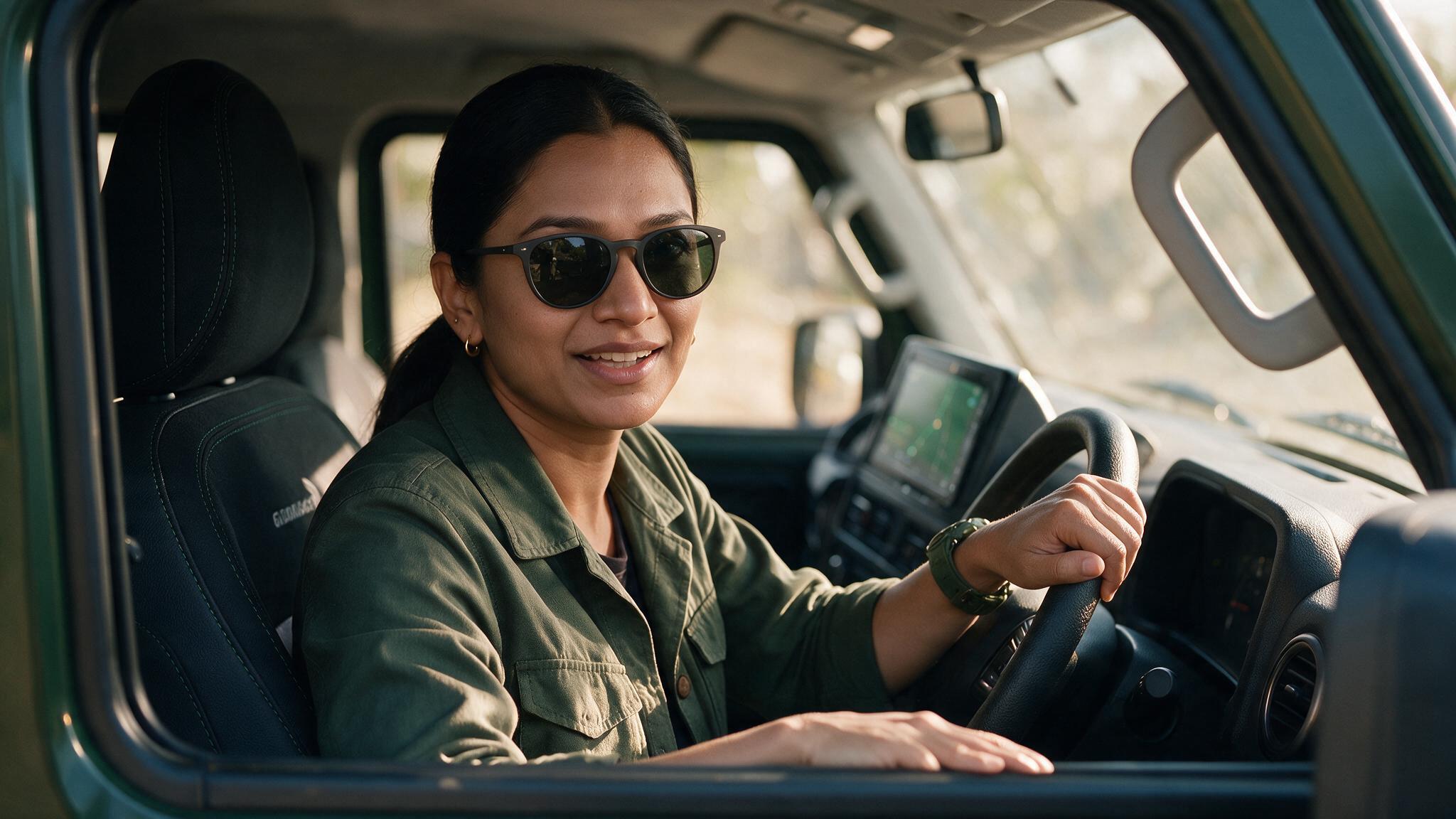
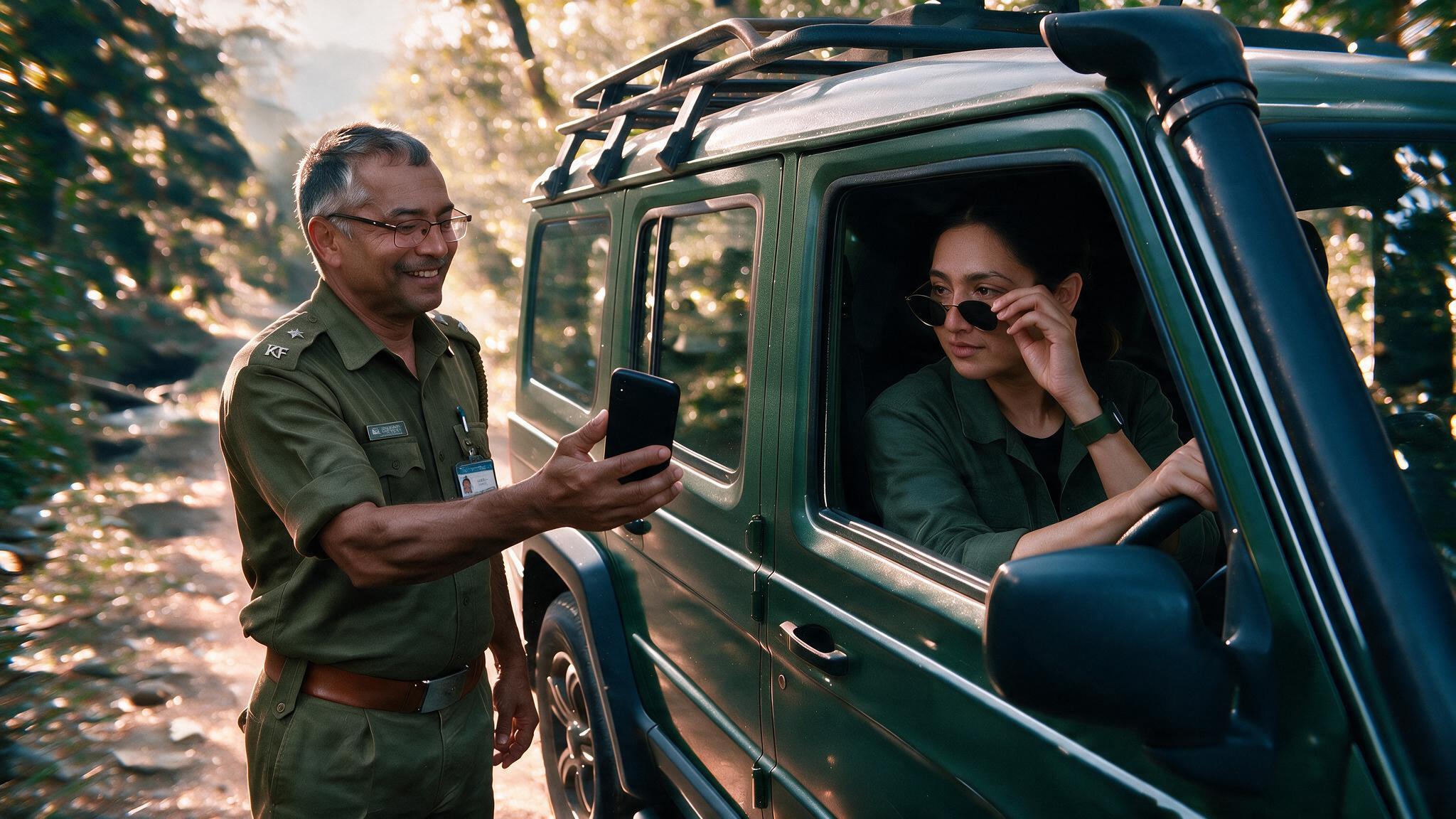
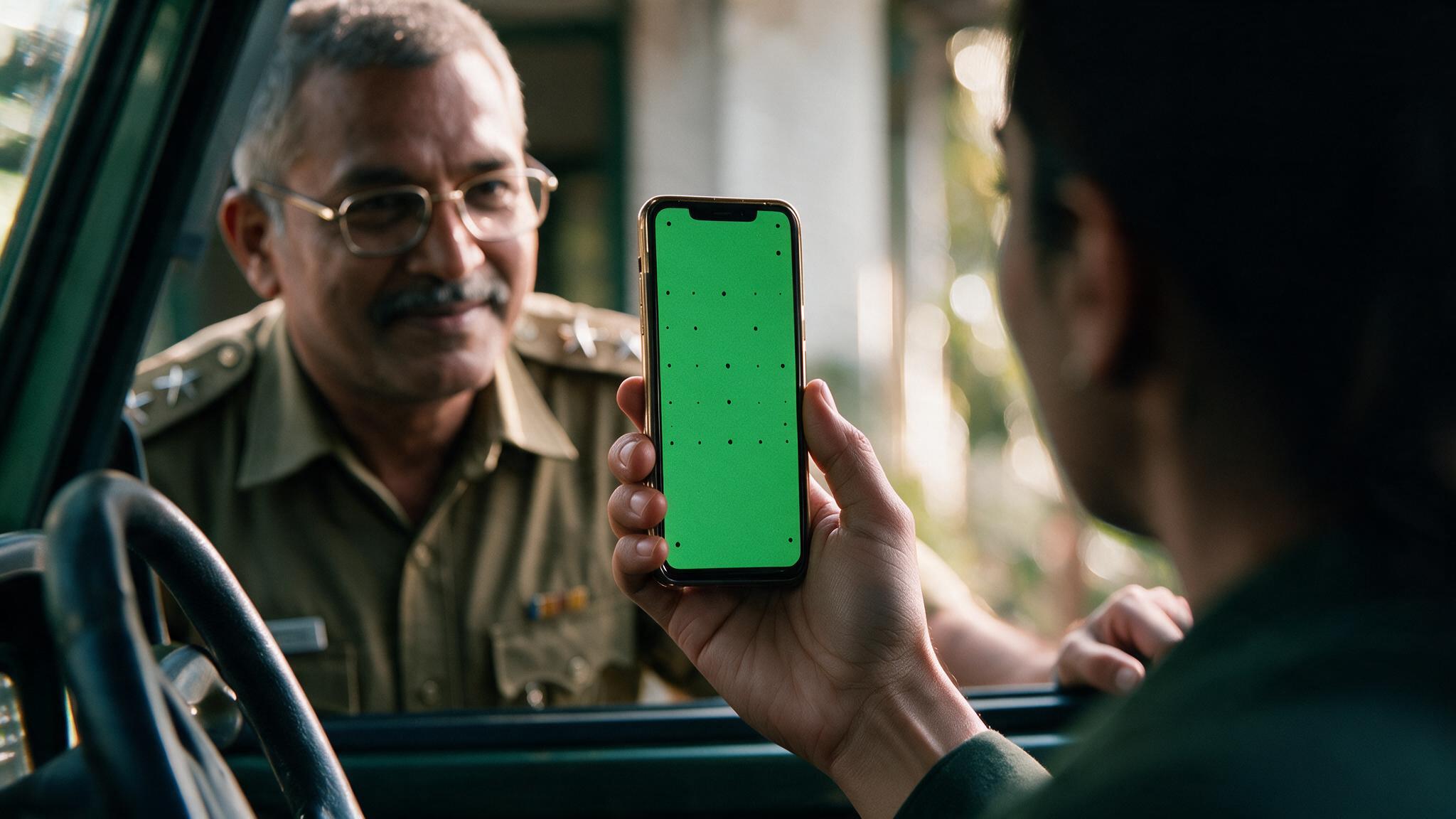
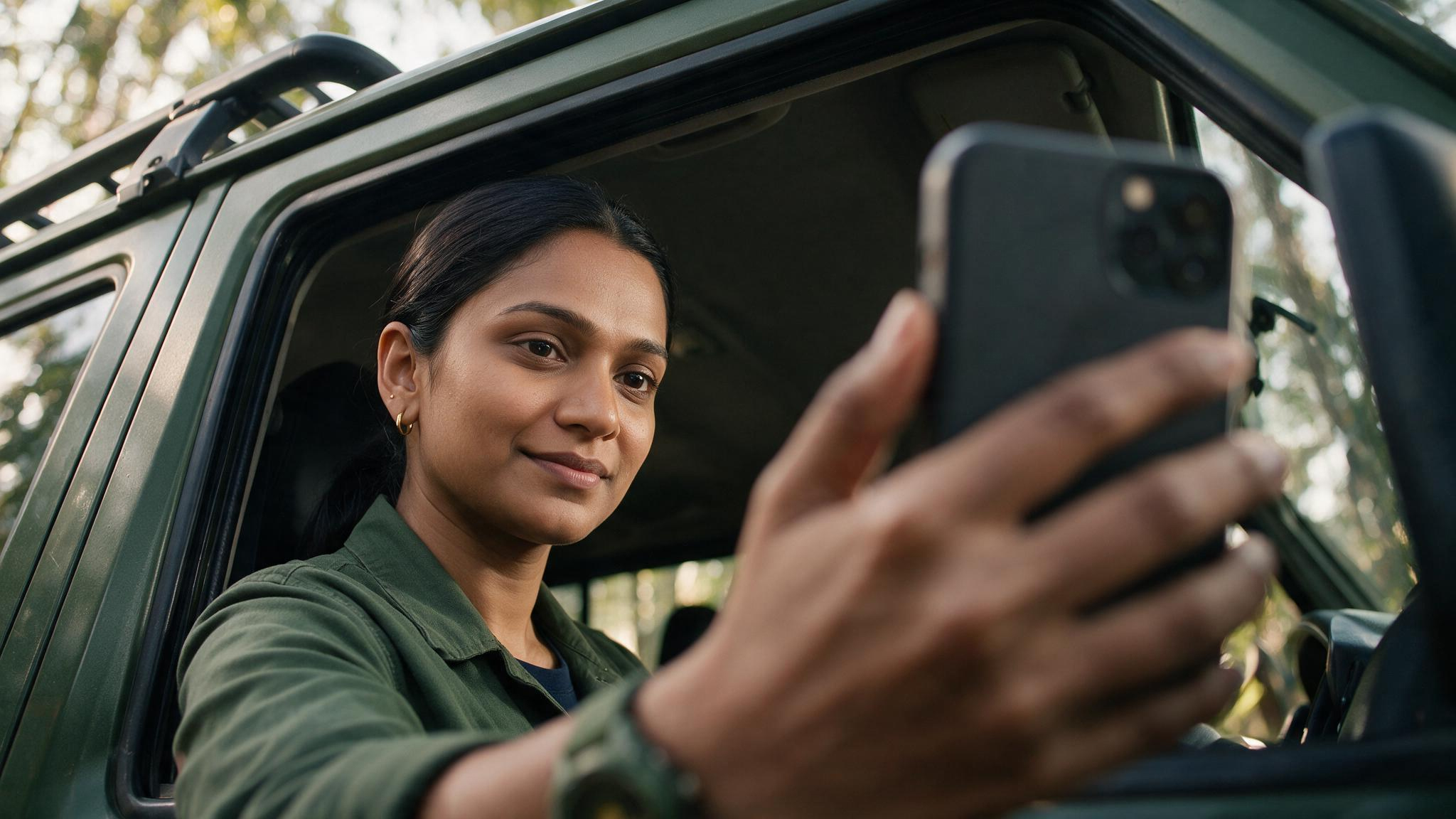
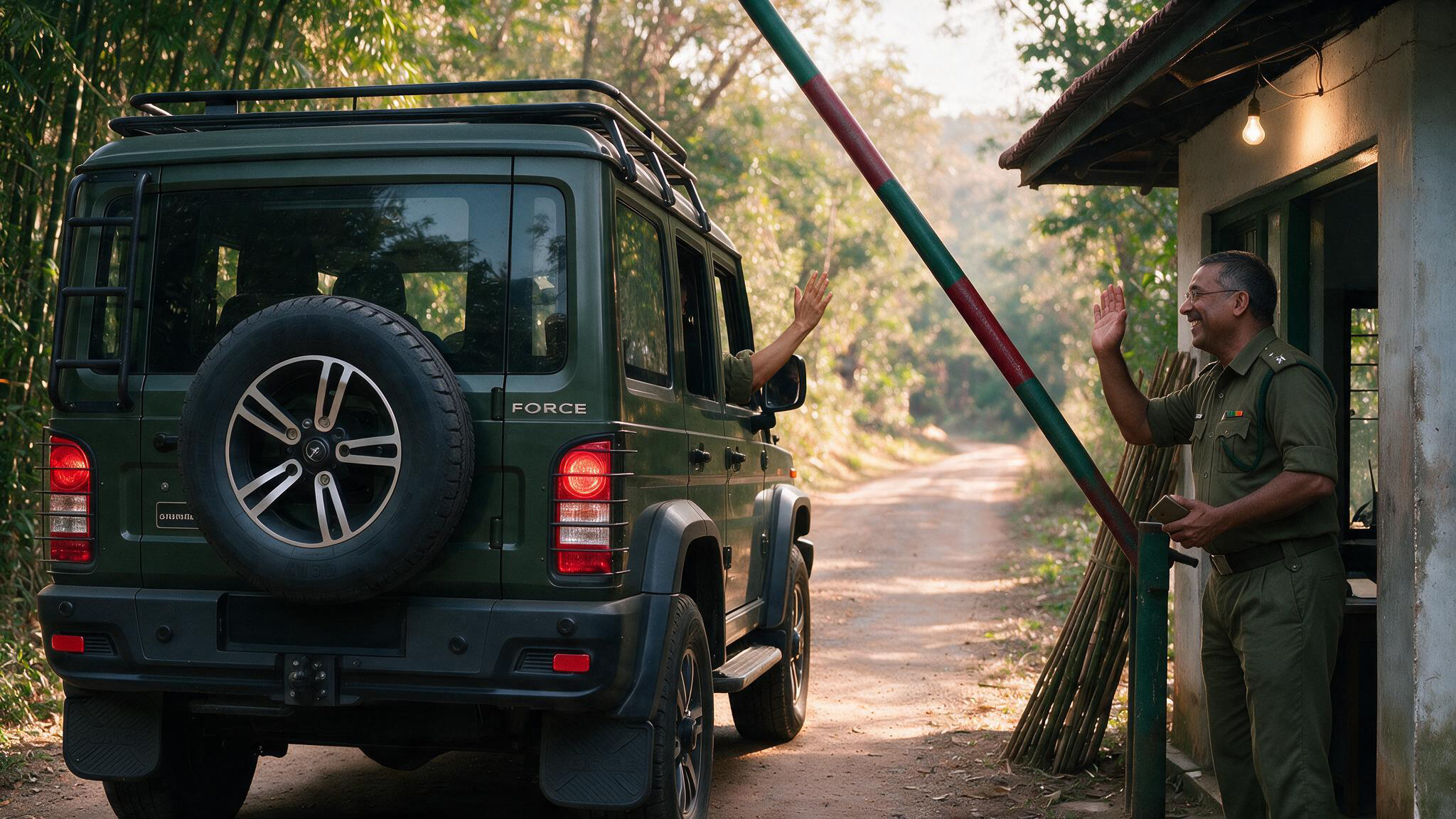
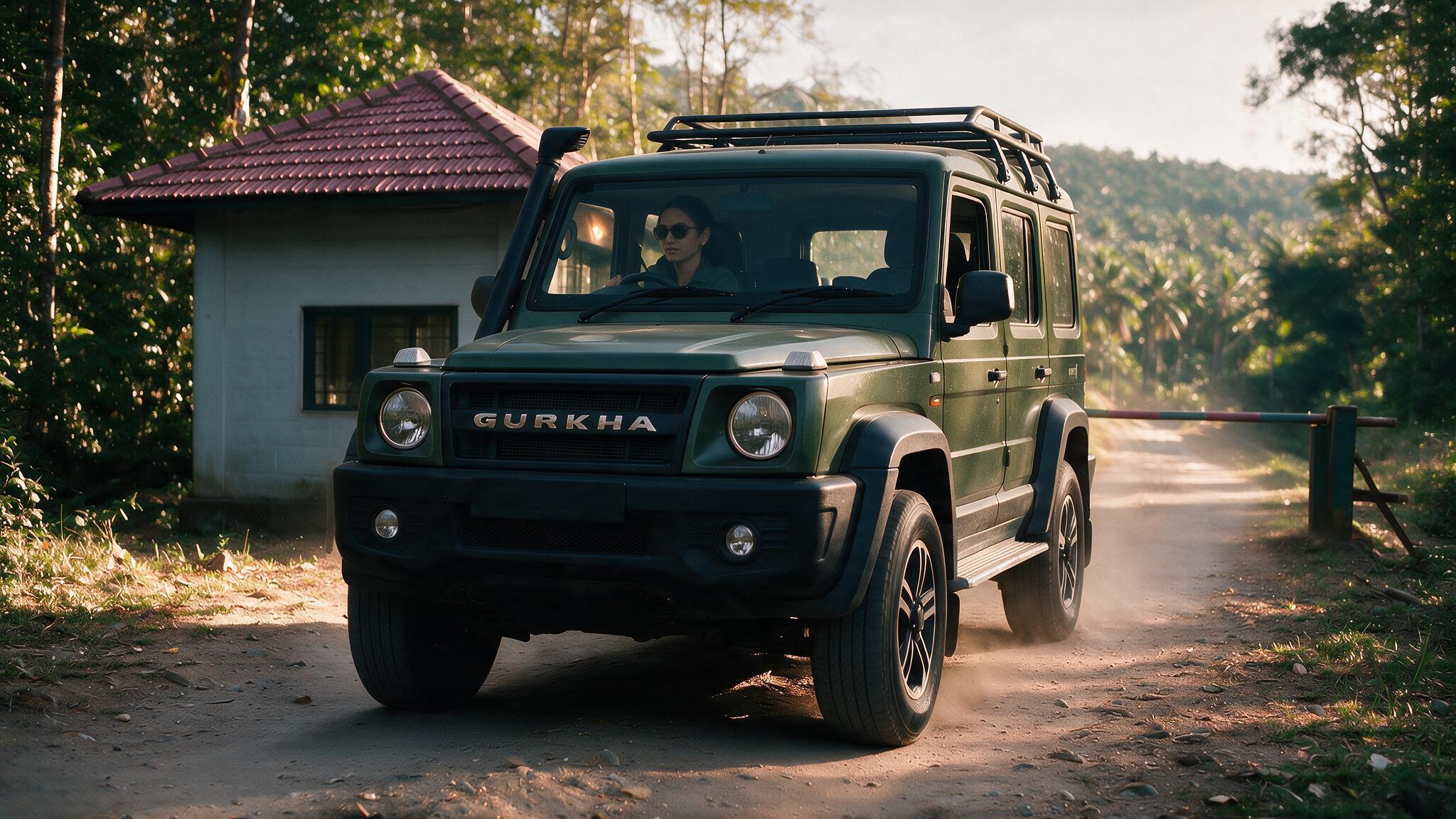
She stops at a forest checkpost she's visited dozens of times. The guard — someone she knows well — steps out with his phone and shows her photographs he took the day before: a leopard, spotted near the eastern waterhole. A mother. And a tip — she's been coming back around five most evenings.
Something in those photographs decides it for her, wordlessly. She drives on.
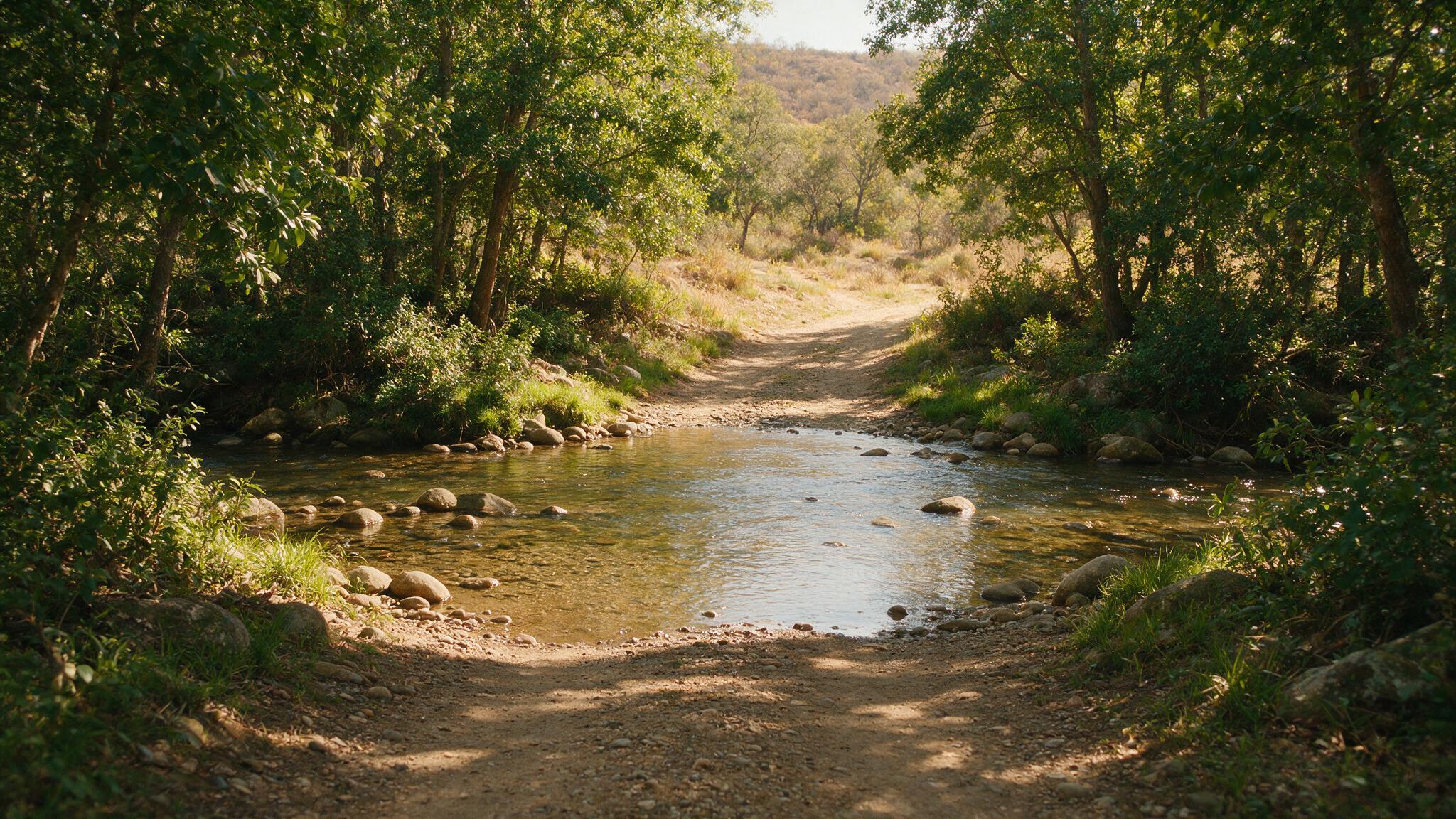
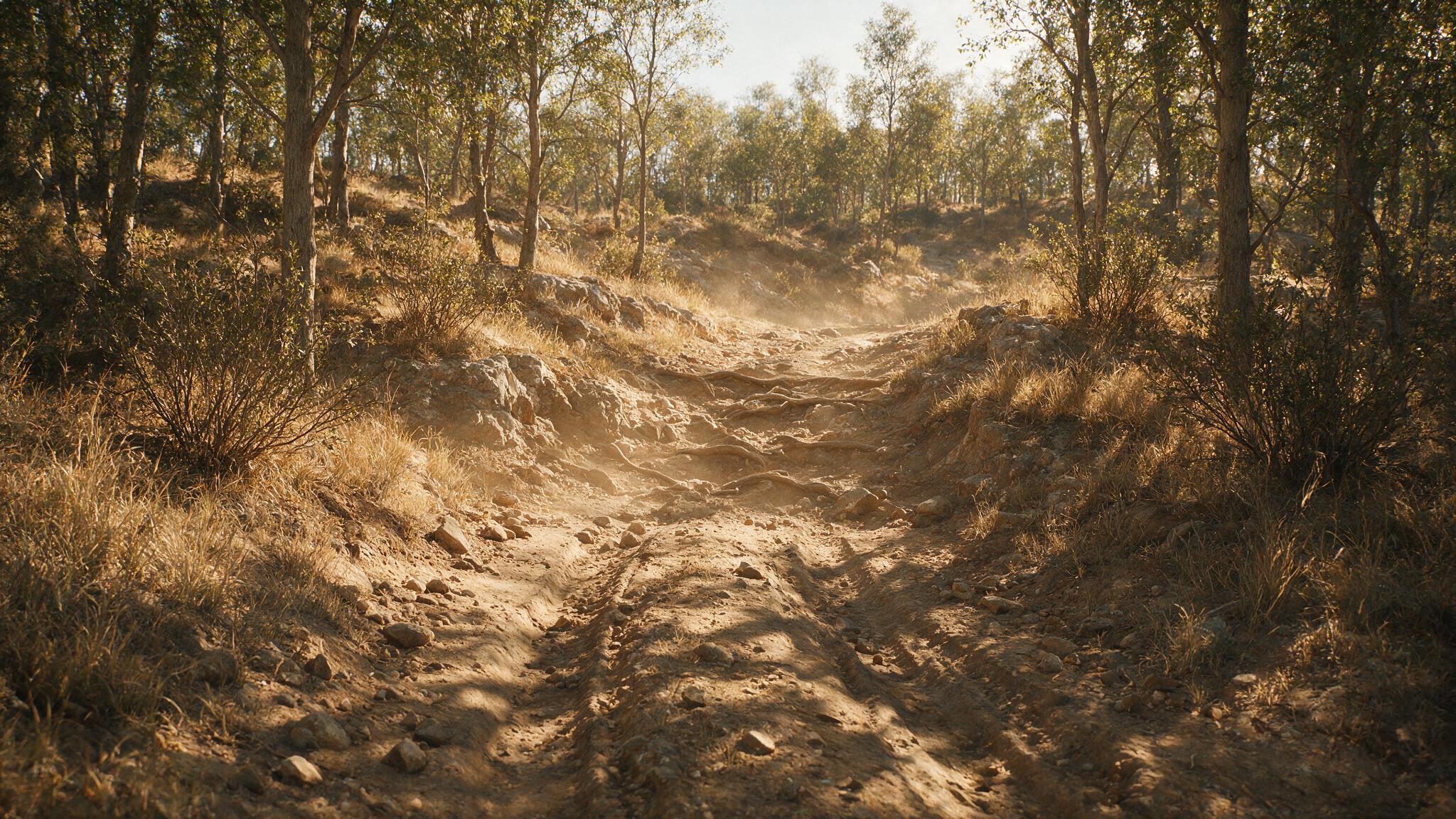
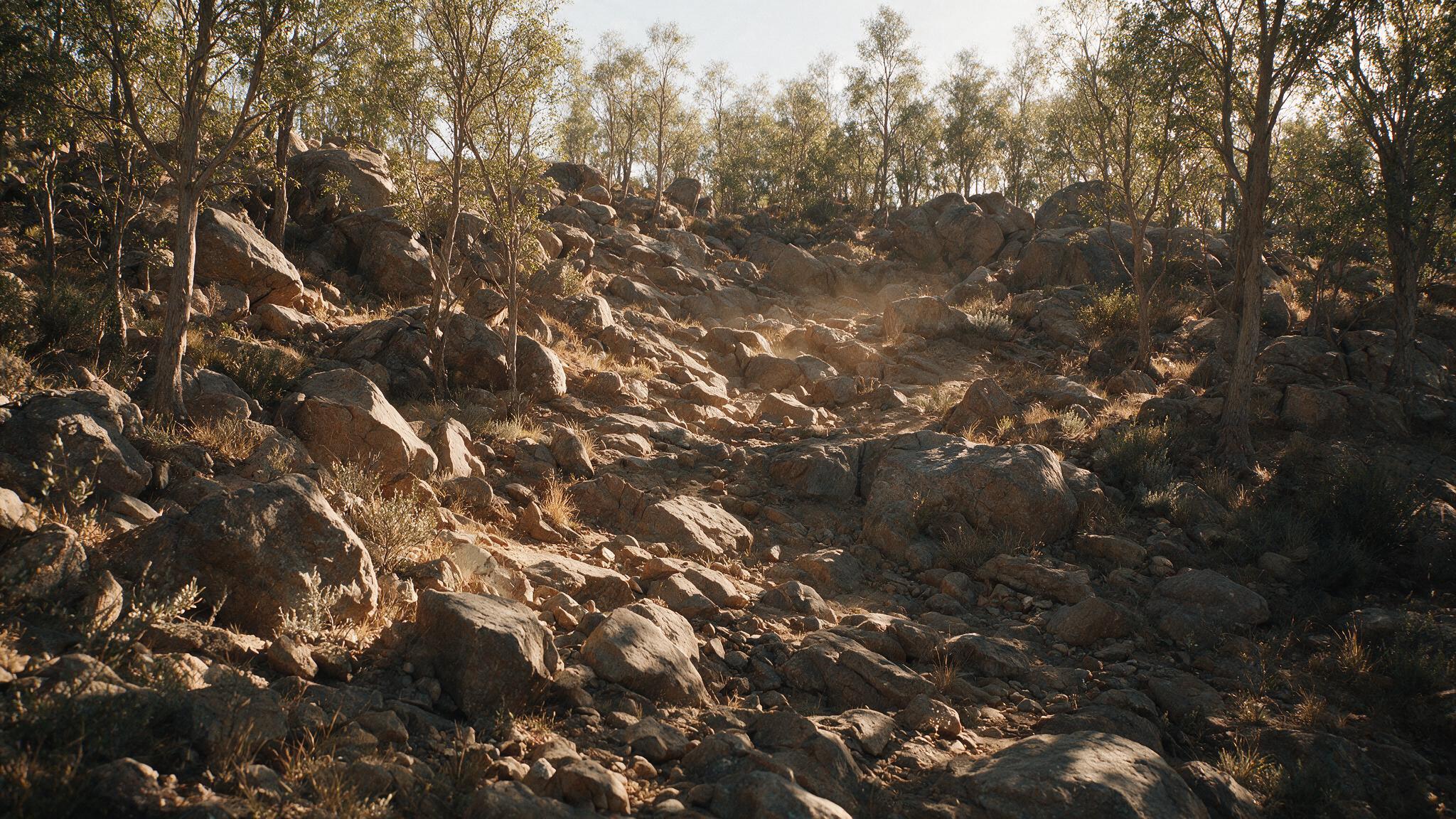
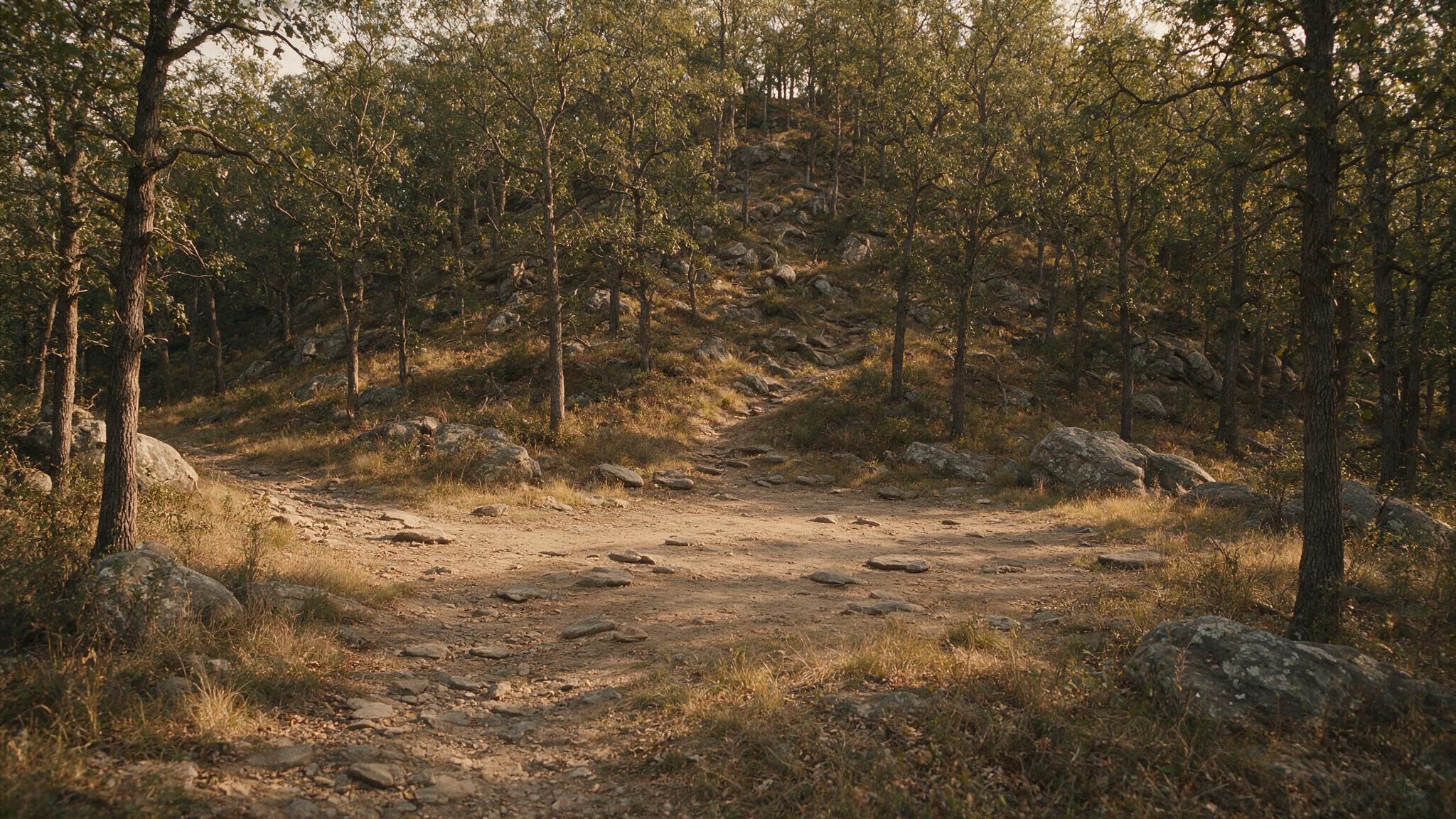
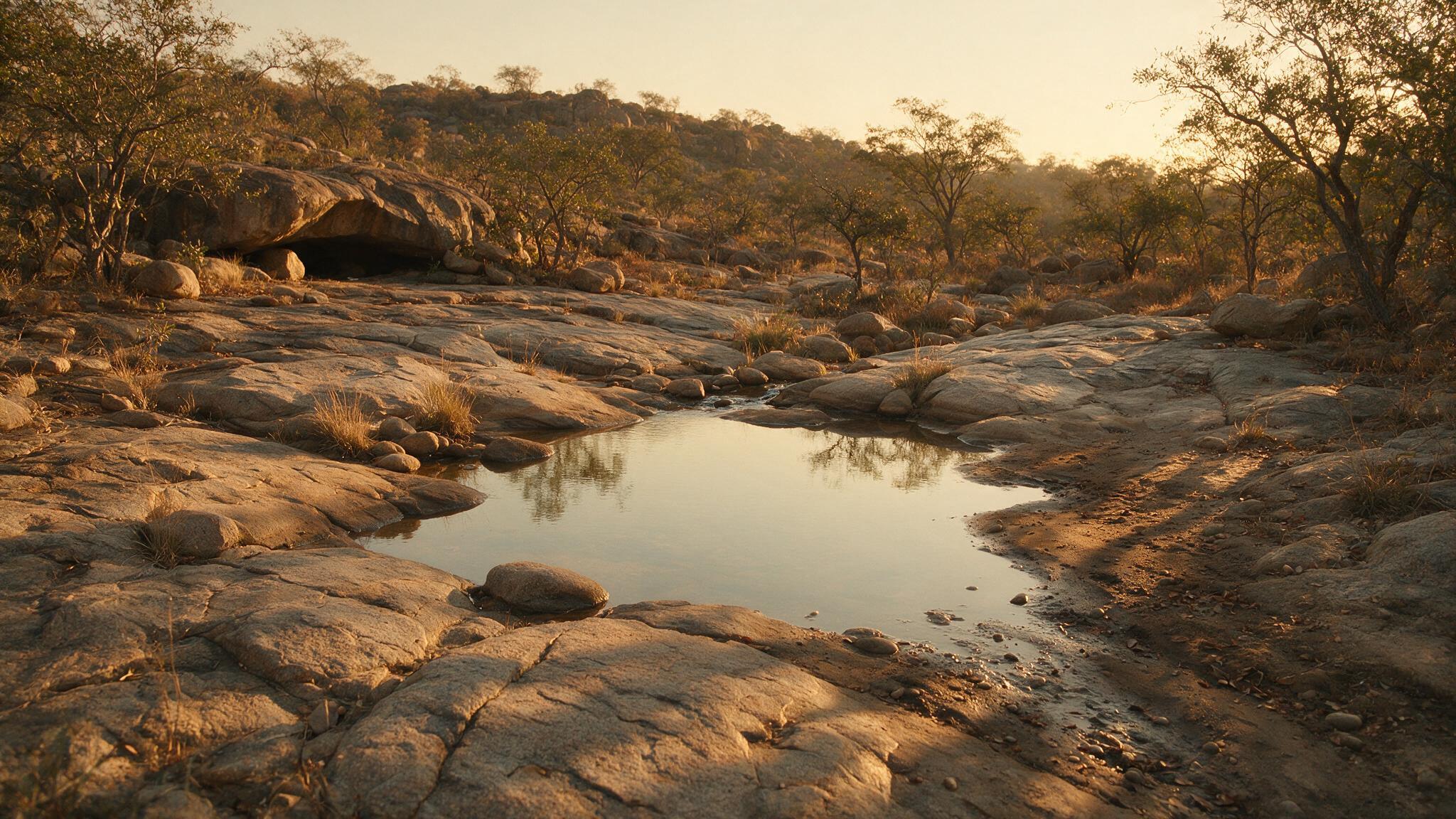
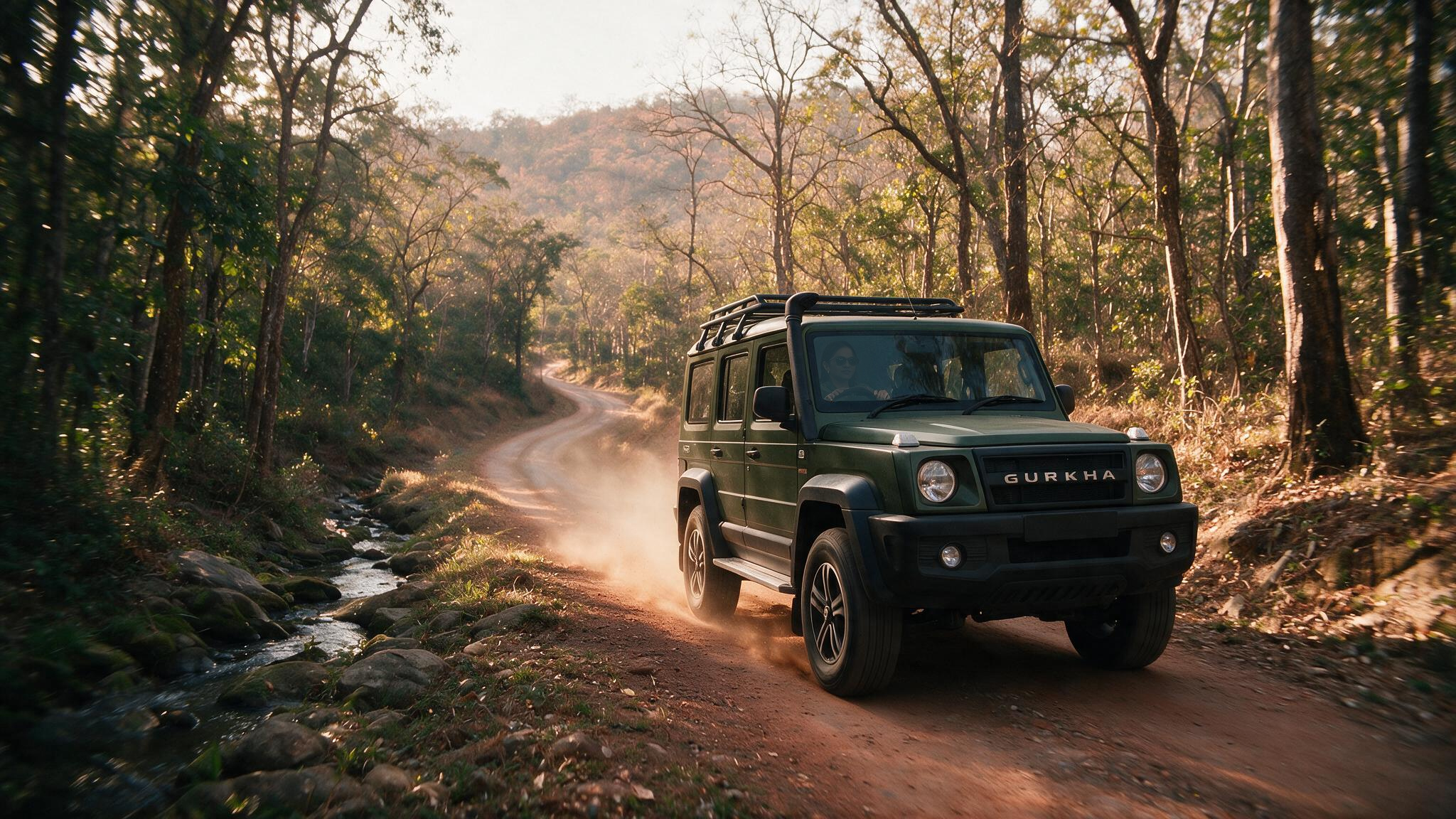
The terrain changes slowly — a shallow river crossing, a short rocky climb, afternoon light shifting from white to gold. She reaches the hilltop just before evening and continues the last stretch on foot, camera in hand. At the waterhole, she waits in complete stillness.
The mother leopard emerges. She photographs her in a steady, patient burst. Then a cub scampers in to join her — and the photographer takes one last, deliberate frame before she lowers the camera entirely. Choosing to simply watch.
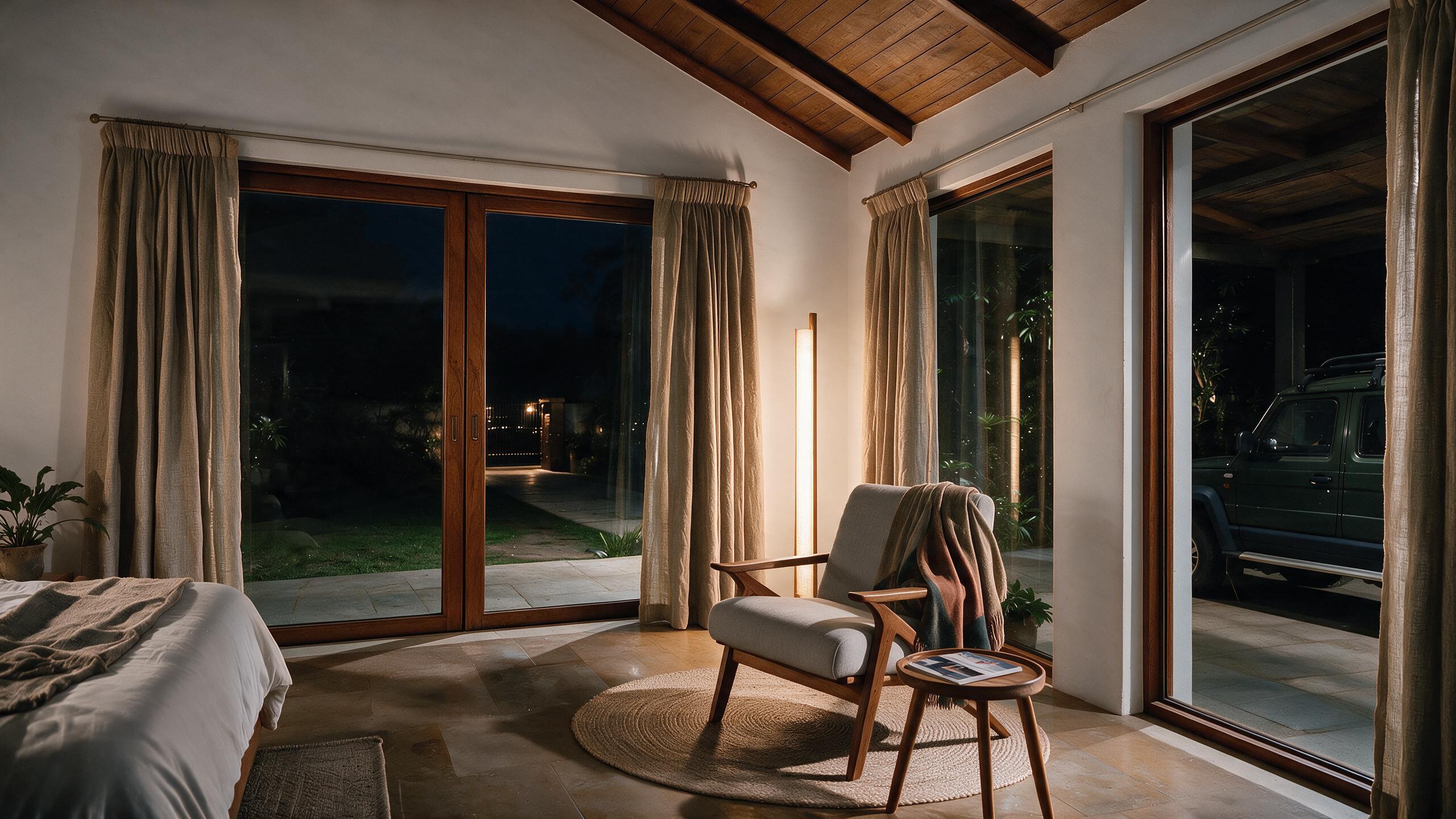
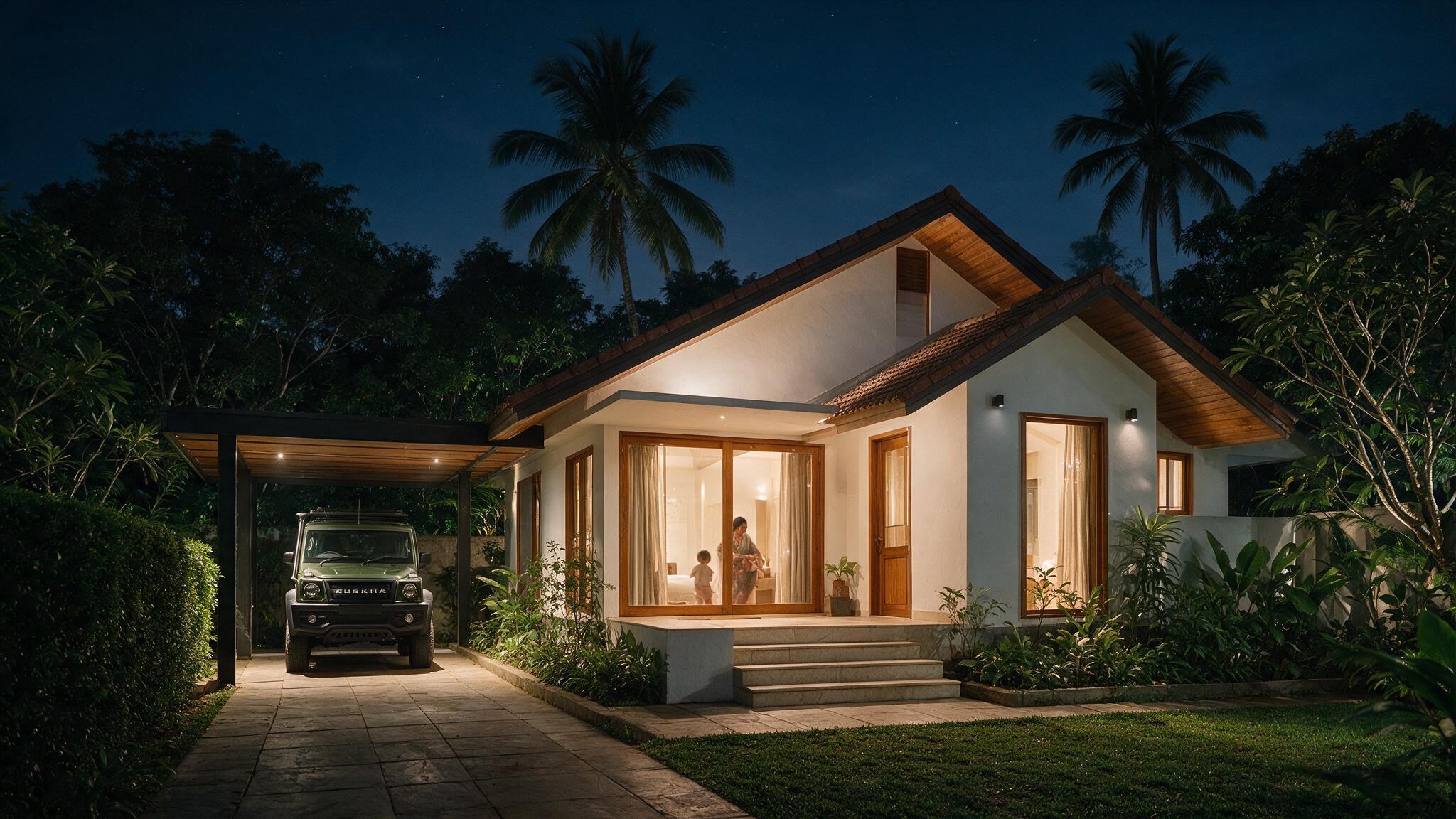
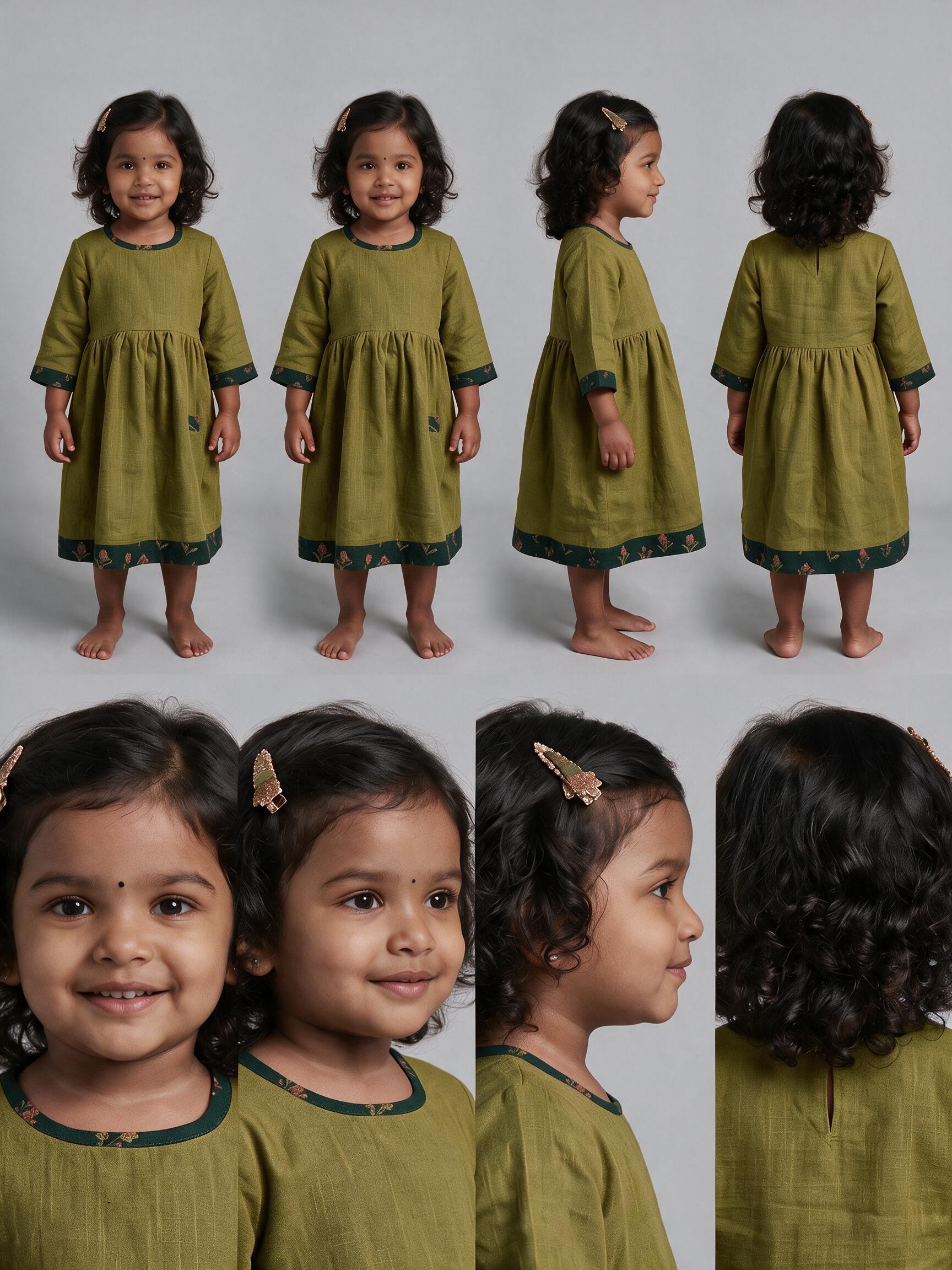
That night, driving home in the dark. At home, scrolling through the day's shots, she reaches that final frame — mother and cub together — just as her own small daughter comes padding up beside her, leaning in to look. The same tenderness she witnessed in the wild finds her again, this time much closer to home.